Planning a Europe trip from India: what to get right early
Multi-country Europe trips fail on two things — visa lead time and over-packed itineraries. How to avoid both.
- Europe
- Visa
- Planning
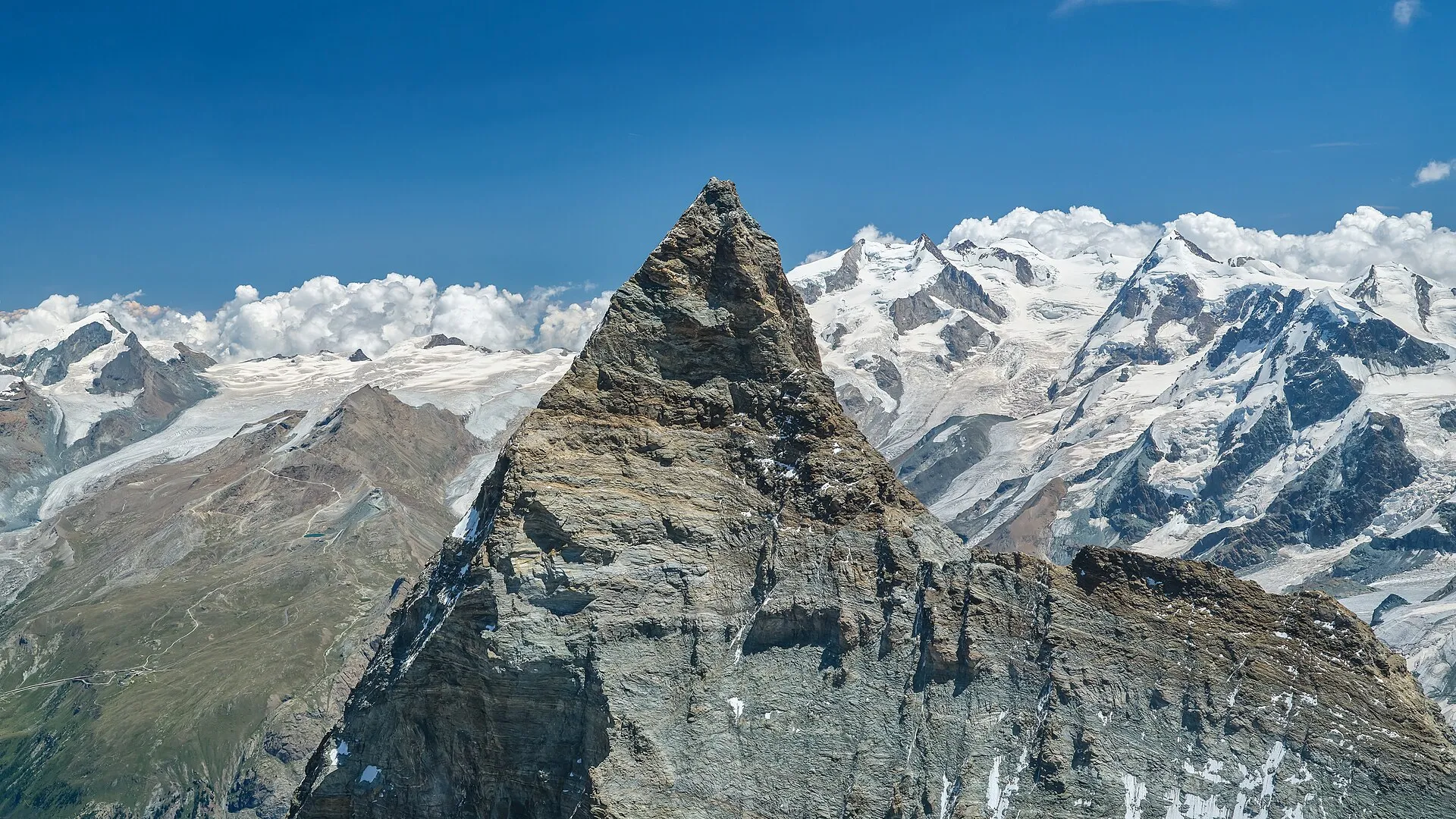
A multi-country Europe trip is the most complicated thing most people book, and the two things that go wrong are almost always the same: leaving the visa too late, and trying to see too much.
Start the visa earlier than feels necessary
Schengen appointment availability is the single biggest constraint on a European holiday, and it is entirely outside anyone’s control — ours included.
Practical guidance:
- Begin the process two to three months before departure, more in peak season.
- Apply through the country where you will spend the most nights. If nights are equal, apply through your point of entry.
- Book refundable or changeable flights and hotels until the visa is issued. Non-refundable bookings before a visa decision are a genuine risk.
- The UK is not in Schengen. A UK-and-Europe trip means two applications, on two timelines.
Requirements change. Treat everything above as the shape of the process, and let us confirm current specifics when you book.
A visa refusal is not a refund
This is worth stating plainly because it surprises people. If a visa is refused, the money already spent on non-refundable flights and hotels is generally gone. Standard cancellation terms apply. Nobody — no agent, anywhere — can influence a consular decision.
This is exactly why we push refundable bookings until the visa is in hand, even when it costs a little more up front.
Do not over-pack the itinerary
The most common mistake is treating Europe’s map as though the countries are close together. They are closer than India’s states, but travel days are still travel days, and a travel day is not a sightseeing day.
Our own 12-night routing is France, Belgium or Netherlands, Germany, Switzerland, Liechtenstein or Austria, and Italy with the Vatican. That is six countries, and it is already brisk. Adding a seventh would mean seeing none of them.
If your time is shorter than twelve nights, cut countries rather than nights. Three countries done properly beats six seen from a coach window.
Where the nights are worth spending
- Switzerland deserves three nights. The scenery is the reason you came, and mountain excursions need a weather buffer.
- Italy deserves three. Rome and the Vatican alone fill two.
- Paris deserves three on a first visit.
- Germany and the Low Countries work well as one-night stops on the route.
Practical things people forget
- Travel insurance is mandatory for Schengen, with a minimum medical cover requirement. It is not optional and it is checked.
- Trains need booking ahead for the good fares; walk-up prices are much higher.
- Cities charge tourist tax at the hotel, usually in cash, per person per night. Budget for it.
- Summer is hot. July and August in Rome are genuinely uncomfortable. May, June and September are better in every respect except sea temperature.
When to go
May to September for long daylight and open mountain passes. May, June and September are the sweet spot — the weather of summer without the peak crowds and prices.
Anything from October onwards means shorter days and some Alpine routes closing.
Tell us your constraints first
Before we draft anything, the useful things to tell us are: your firm dates, who is travelling and their ages, whether anyone has mobility limits, and your honest budget range. Europe is where a mismatched budget shows up fastest — and it is much easier to fix at the draft stage than after deposits are paid.